OCTOBER/NOVEMBER 2026 | n.º 9 | New edition reinforces that we can and must discuss and challenge—based on science—educational structures often taken for granted
Dear readers,
With the ninth issue of YVIRÁ, we have several reasons to celebrate. First, because the continuation of the UNESCO Chair in Science for Education —the body responsible for the magazine — has just been approved by UNESCO for another four years. So, there is plenty more YVIRÁ to come! Second, this issue is being released during Teacher’s Month (October) to coincide with the 9th Meeting of the National Science for Education Network (Rede CpE), also celebrating three educators who won the 3rd Rede CpE in the Classroom Award. Yet, a common thread runs through all the articles in this issue: we can and must discuss and challenge—based on science—educational structures often taken for granted. This includes school schedules, the school-community relationship, ways of learning, the use of technology, screen dependency, the medicalization of learning difficulties, and traditional curricula.
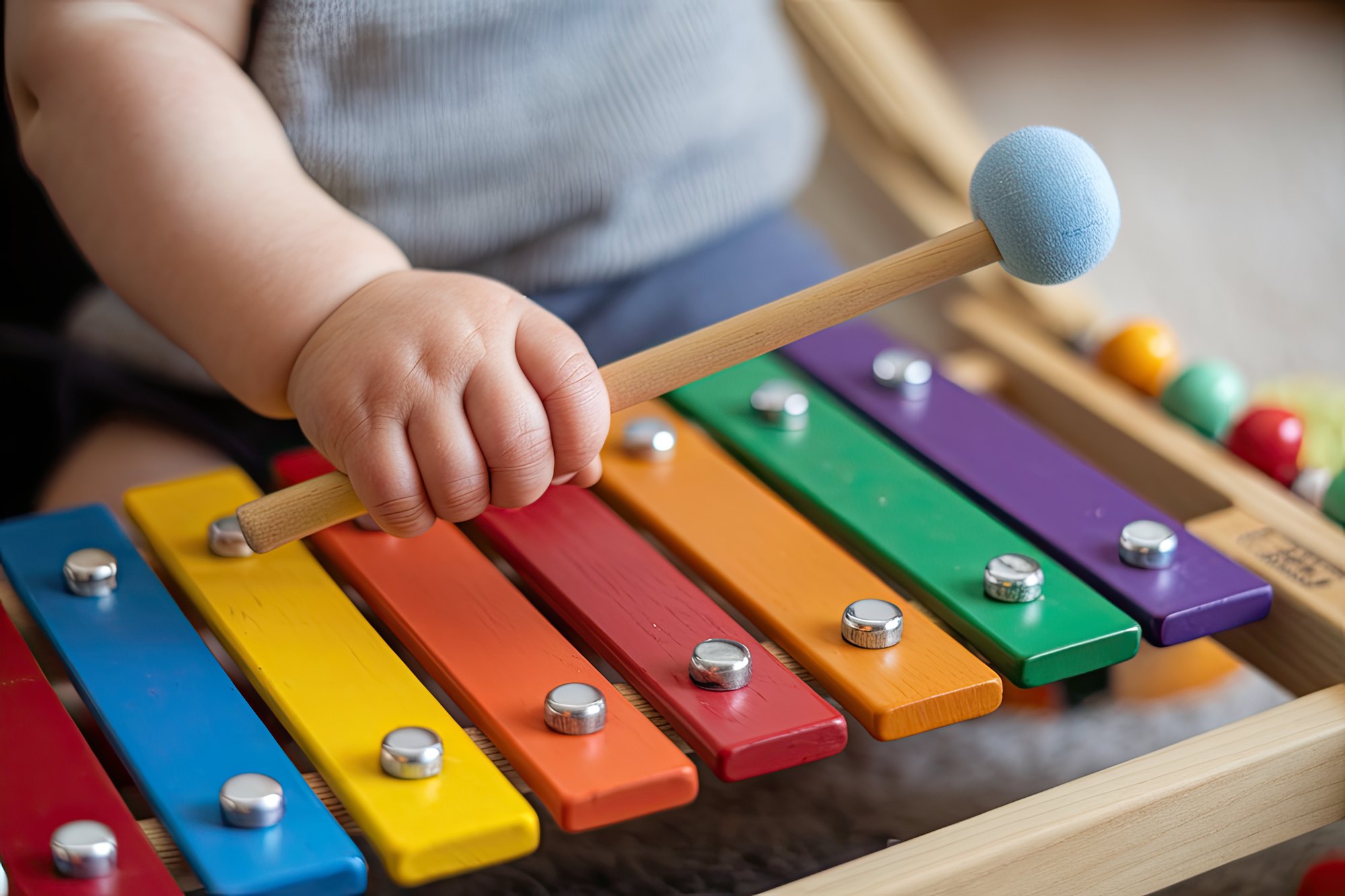
Everyone knows the saying “One who sings scares away ones’ woes”, right? But perhaps many are unaware that learning music also impacts learning in other subjects and overall development. This is clearly highlighted in the “Worth Noting” section, written by teacher Eloisa Paiva, where she discusses the importance of music in child development. There is abundant evidence that learning music can influence learning in mathematics, for example.
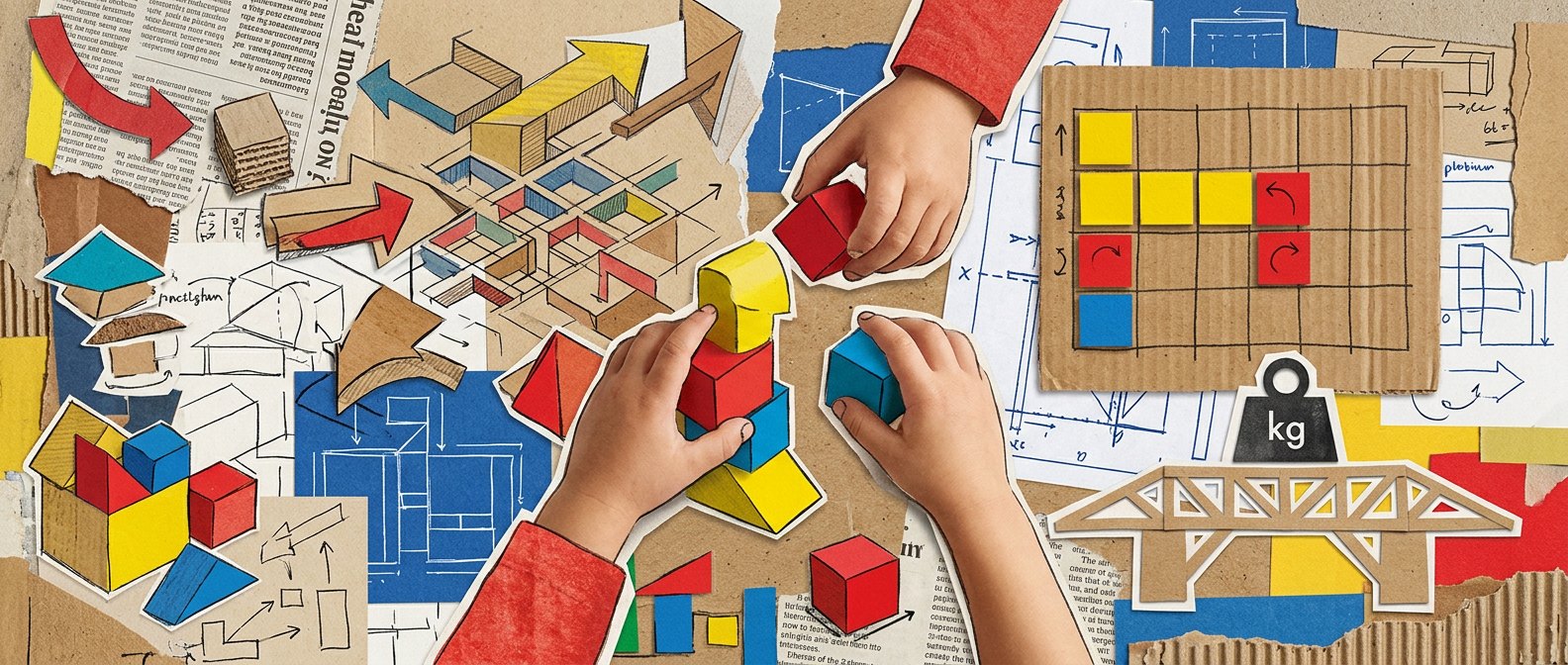
From there, we can turn to an excellent article by Raimundo da Silva Soares Junior and João Ricardo Sato, which describes how manipulating blocks can aid in learning computational thinking. In a world filled with screens, interacting with something tangible—away from those screens—can help students transition “from physical manipulation to abstract logical reasoning, consolidating the foundations of creativity and problem-solving.”.
Speaking of screens, what about AI? Rosa Vicari, a researcher member of the CpE Network, answers a question on this topic submitted to YVIRÁ for the “What about?” section of this issue. According to her, it is important for students to understand how AI works so they can use it responsibly.
Continuing with proposals for school reform, we revisit lessons learned during the pandemic regarding sleep and rigid school schedules. Fernando Louzada, an YVIRÁ editor and CpE Network researcher, highlights the importance of flexible school schedules to maximize learning.
Researcher Lavinia Teixeira-Machado also advocates for another important shift in schools: moving the focus away from the individual with a disability and onto the barriers imposed on them by the school environment itself.
Additionally, in the “Proof or dare” section, researcher Luiz Curi discusses the future of schooling and how to address the crisis of dropout rates and poor performance on large-scale assessments—such as the recently released PISA 2025 (Programme for International Student Assessment) results, which were once again abysmal.
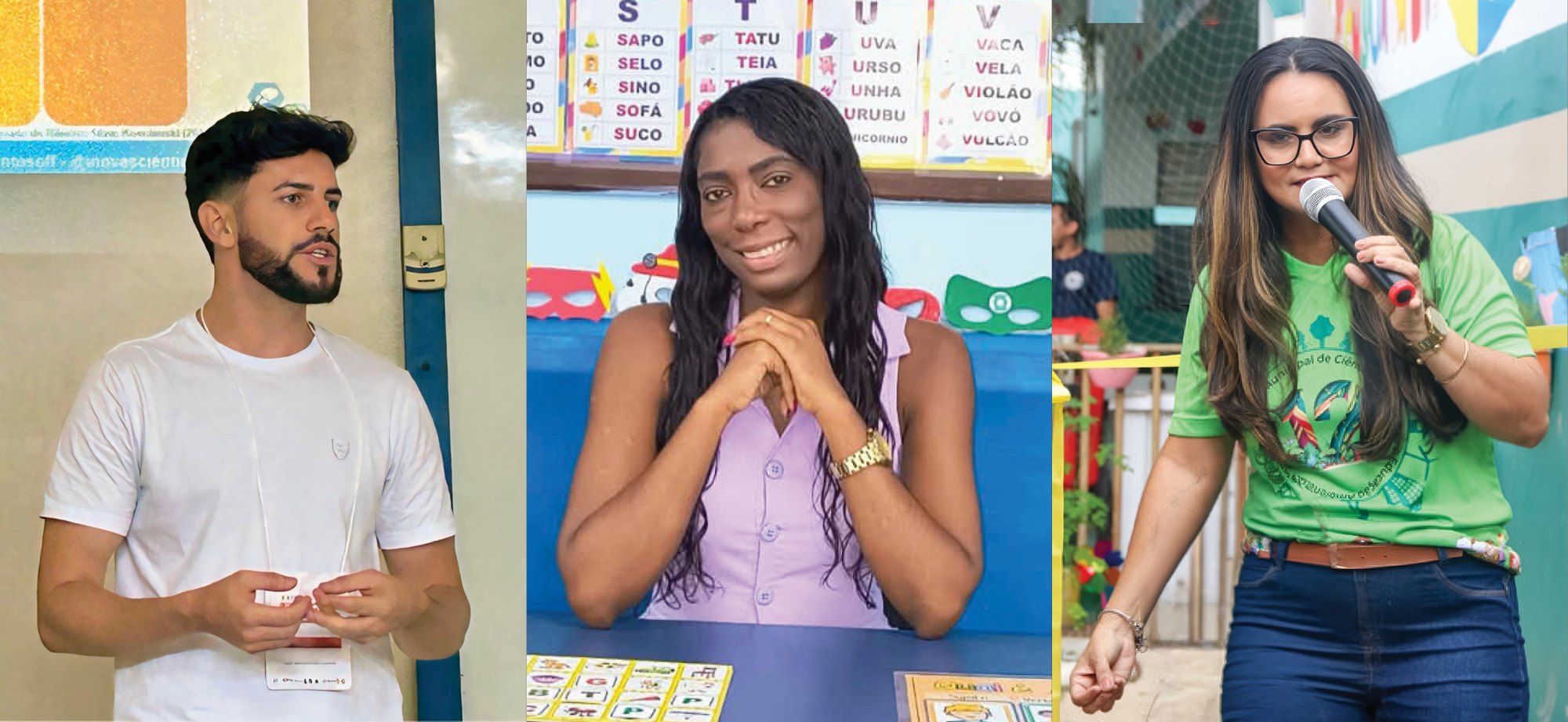
Last but not least, we feature an interview with the winners of the 3rd CpE Network in the Classroom Award. Discover how these three teachers used creativity and science to tackle the challenges facing their schools and regions. Reading these accounts (and watching the videos) will certainly give you all —our readers— great hope for the future of our education, regardless of the challenges that lie ahead.