BOOK, SERIES, MOVIE REVIEWS
ARTICLE
RESEARCH WITHIN EVERYONE’S REACH
QUESTIONS THAT CONCERN TEACHERS
Story
DIVERSE EXPERIENCES, STRAIGHT FROM THE CLASSROOMS
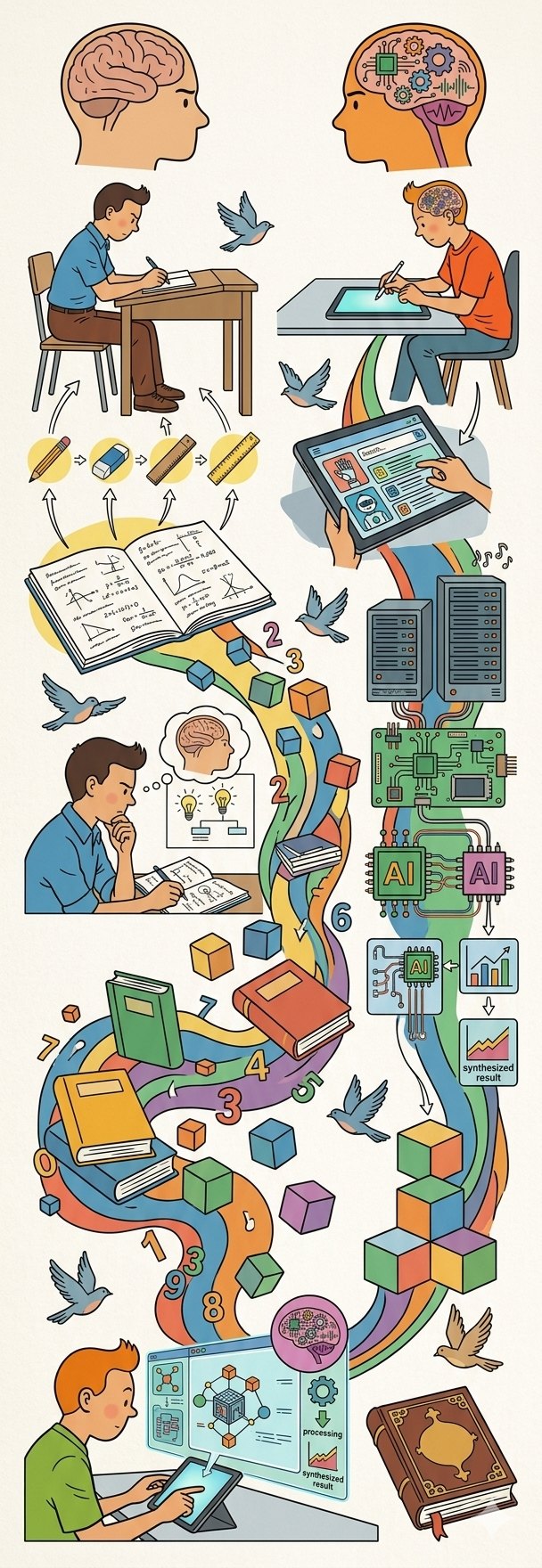
The more students understand how artificial intelligence solves problems, the more aware they become of the technology's limitations and potential
How to reconcile academic methodological rigor and the development of research that is relevant from a social point of view, effectively thinking about schools?
Educators are faced with a gap between what initial and continuing education courses offer and what teachers actually want and need.
Introducing digital technology into the daily school routine is an important and necessary step in preparing a generation for the future, but the approach must be balanced
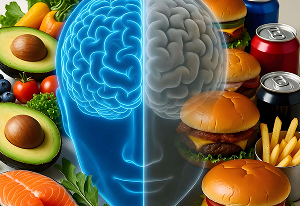
Immune system cells are also capable of colonizing brain tissue and responding to stress signals, promoting adaptive responses characteristic of inflammation.
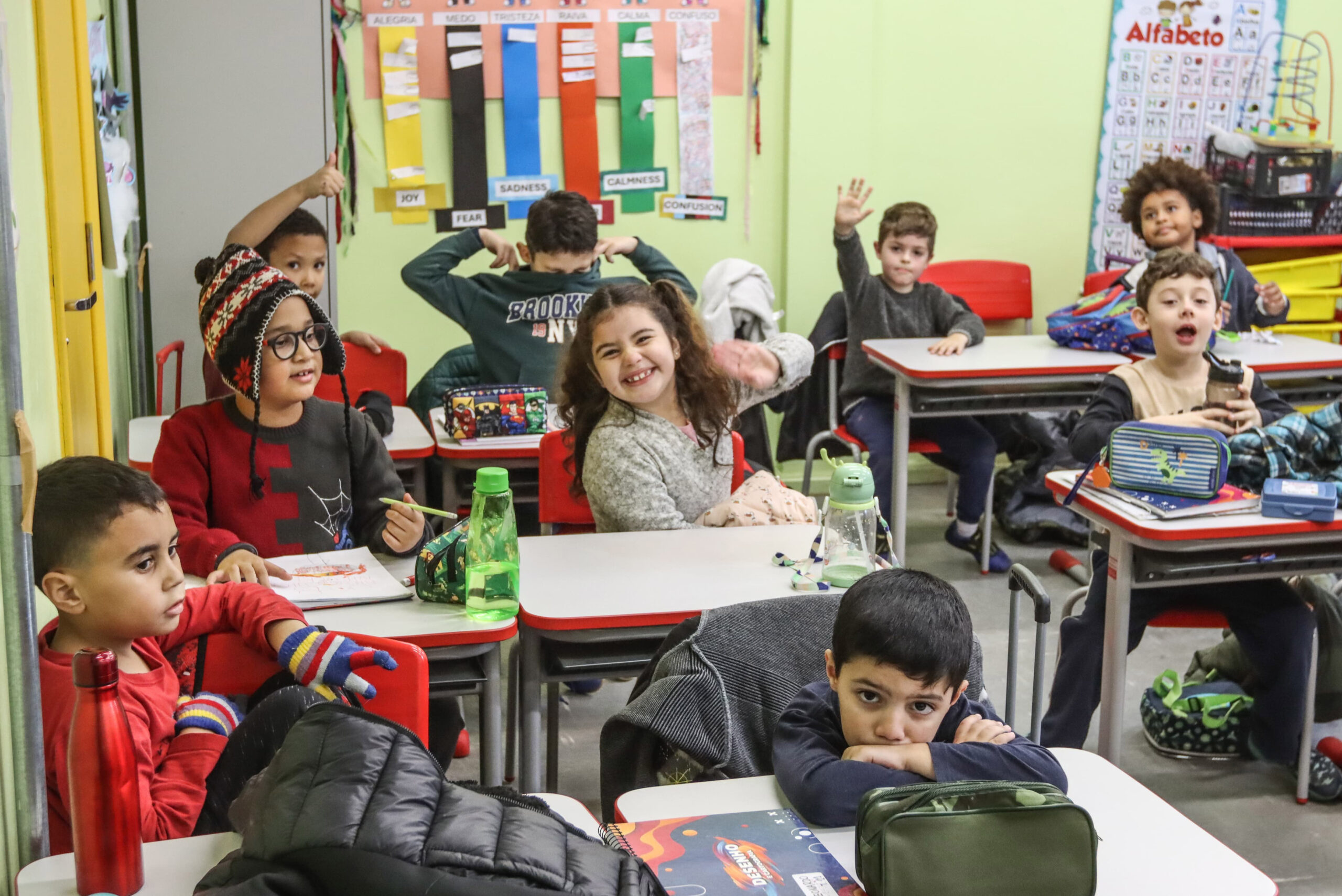
Recognizing the right to bilingual education for deaf students and understanding the cognitive differences of students with dyslexia and other learning and neurodevelopmental disorders are essential for consolidating school inclusion.
In this section, experts invited by YVIRÁ answer questions submitted by teachers who are part of the National Science Network for Education (Rede CpE) as "Friends of the Network." This time, the focus is on the use of so-called concept maps in teaching.
To achieve this goal, we need actions in the initial and continuous training of teachers and encouragement of scientific research in schools.
In Brazil, the Law of Guidelines and Bases of National Education – LDB, from 1996
New edition reinforces that we can and must discuss and challenge—based on science—educational structures often taken for granted
More than just songs or rhythms, music education classes offer opportunities for children to develop skills, express feelings, strengthen relationships, and discover new ways of learning