Report given to Elisa Martins Journalist, special for Yvirá
Music education isn’t about teaching a child to be a musician. It is about offering experiences that allow them to discover, experiment, listen, move, and express themselves through music.
Music creates opportunities for children to learn to listen to others, wait their turn, follow the group, respect different rhythms, and share experiences.
Music can even aid in recognizing letters, words, rhymes, and sounds, paving the way for the literacy process.
Music influences the learning process precisely because it sparks interest and makes many experiences more meaningful.
Report given to Elisa Martins Journalist, special for Yvirá
OCTOBER/NOVEMBER 2026 | n.º 9 | More than just songs or rhythms, music education classes offer opportunities for children to develop skills, express feelings, strengthen relationships, and discover new ways of learning PHOTOS: OPENING: ADOBESTOCK. INSIDE PHOTOS: COURTESY OF THE AUTHOR
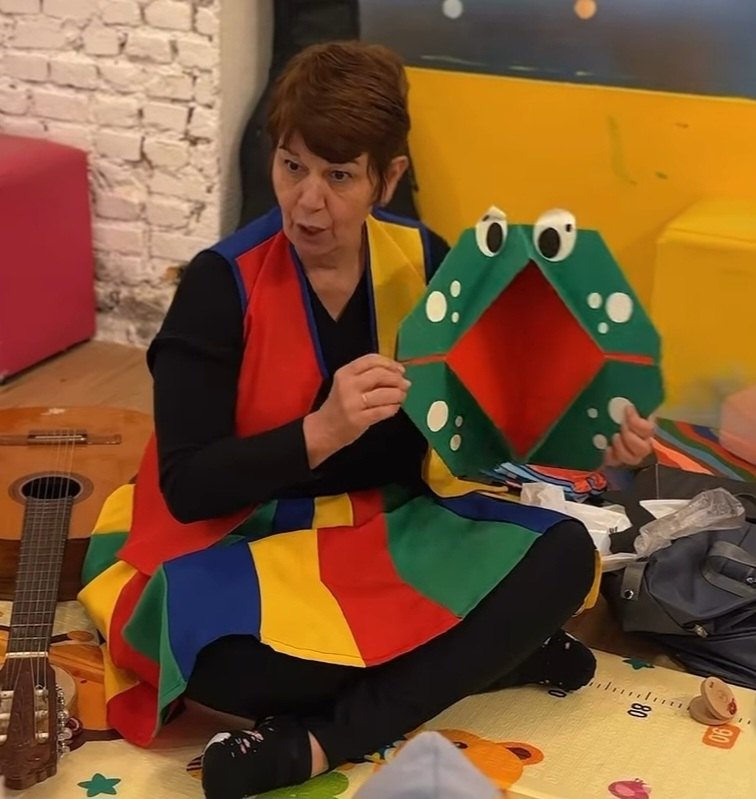
Music education for young children is not limited to learning notes or instruments. It is an educational process that uses music as a tool for holistic development, says Eloisa Paiva, an educator with nearly four decades of experience and a music teacher for early childhood education — one of her greatest passions—for the past 23 years.
In her account for YVIRÁ, Eloisa describes how the practice involves activities that stimulate auditory perception, rhythm, motor coordination, body expression, and creativity. For children, the list of benefits extends far beyond learning songs and rhythms. Music education influences participation, socialization, attention, concentration, language development, emotional expression, and the child’s entire learning journey. It is truly an ally in early childhood education, the teacher states. Read more below.
Eloisa Paiva Early Childhood Music Teacher – São Paulo
When I think about music education in early childhood, I think, first and foremost, of encounters. An encounter between the child and sound, movement, others, and—above all—themselves. To me, music education isn’t about teaching a child to be a musician. It is about offering experiences that allow them to discover, experiment, listen, move, and express themselves through music.
Music education isn’t about teaching a child to be a musician. It is about offering experiences that allow them to discover, experiment, listen, move, and express themselves through music.
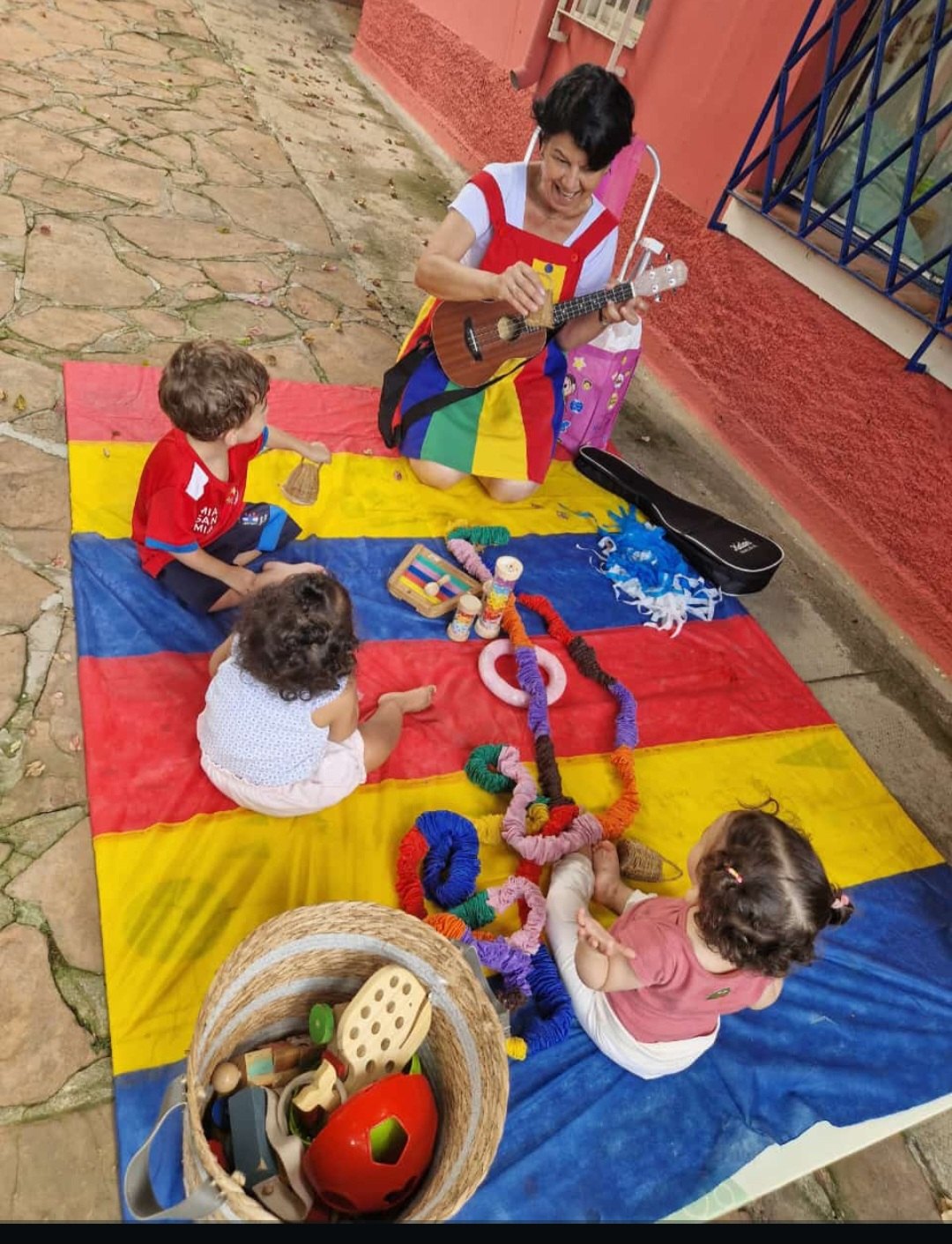
With babies, music education happens largely through bonding. Singing while making eye contact, playing with different vocal timbres, exploring soft and loud sounds, taking brief pauses, and responding to babbling are simple yet deeply meaningful experiences. The baby realizes there is a connection between their own actions and the adult’s response. It is a genuine musical conversation.
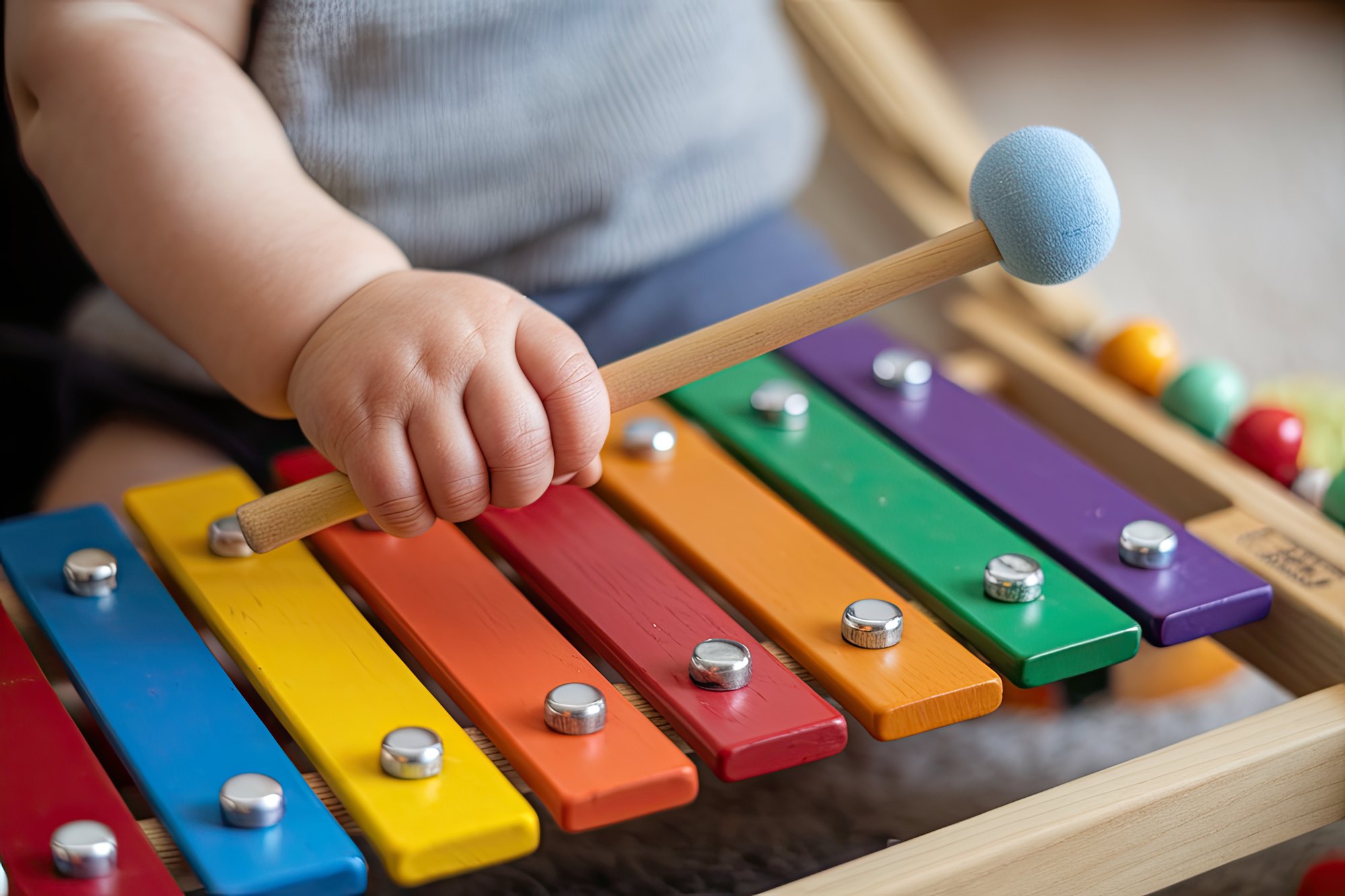
As the child grows, new possibilities emerge. Between the ages of 2 and 5, the body itself becomes a major instrument. Clapping, marching, spinning, jumping, waving a scarf, playing with colorful ribbons, imitating animals, and accompanying music with simple instruments are ways to experience musical concepts without turning the class into something rigid or overly structured.
One of the most notable advances I observe lies in participation and socialization. Music creates opportunities for children to learn to listen to others, wait their turn, follow the group, respect different rhythms, and share experiences. Group activities—such as singing, dancing, or playing instruments—foster social interaction and strengthen bonds.
Music creates opportunities for children to learn to listen to others, wait their turn, follow the group, respect different rhythms, and share experiences.
I also notice changes in attention and concentration. To follow a piece of music, a child must listen, observe, memorize sequences, and respond to stimuli. These skills, developed in an enjoyable way, can contribute to other learning situations.
Musical engagement also supports language development. By singing and repeating words, children expand their vocabulary, improve their pronunciation, exercise their memory, and become aware of different speech sounds and rhythms. Music can even aid in recognizing letters, words, rhymes, and sounds, paving the way for the literacy process.
Music can even aid in recognizing letters, words, rhymes, and sounds, paving the way for the literacy process.
Another crucial aspect is the relationship between music and mathematics. By working with rhythms, sequences, counting, repetition, and varying speeds, children begin to grasp concepts related to organization, quantity, sequencing, and time. Thus, music serves as a rich tool for supporting learning across various subjects.
Furthermore, music fosters emotional expression. A child might display joy, enthusiasm, calmness, or even insecurity during a musical activity. Through songs and movement, they find ways to express feelings that they often cannot yet put into words.
Music influences the learning process precisely because it sparks interest and makes many experiences more meaningful. It transforms content into lived experiences, allowing children to learn through play, movement, and active participation. Observing children in music classes, I realize that every small achievement holds value: a child who previously didn’t participate but begins to sing, another who learns to wait their turn, one who manages to keep the beat, or simply someone who gains the confidence to express themselves in front of the group. These changes extend beyond the music class and can impact their entire learning journey.
Music influences the learning process precisely because it sparks interest and makes many experiences more meaningful.
Thus, I view music education as a vital ally in early childhood education. When we introduce music to children, we are not merely teaching songs or rhythms; we are providing opportunities for them to develop skills, express feelings, strengthen relationships, and discover new ways of learning. Music educates, nurtures, and sparks curiosity—and, above all, it helps the child learn in a way that is meaningful to them.
 DIVERSE EXPERIENCES, STRAIGHT FROM THE CLASSROOMS