Tracey Tokuhama-Espinosa PH.D. Harvard University Extension School
AUGUST/SEPTEMBER 2026 | n.º 8 | The struggle to learn strengths foundational networks and permits complex thinking
ILLUSTRATION: C. FLEURY WITH FIREFLY
AI and Education is a topic that invites significant controversy and a broader debate on the goals and responsibilities of writing teachers as a whole. AI can be seen as a savior for poor schools with few resources, and a villain when seen as stripping away basic cognitive skills that go unrehearsed when offloaded to a device like a phone or computer. Since coming on the scene in November 2022, ChatGPT and other generative AI tools have led the vibrant exchange about AI’s disruptive challenges to basic educational practices.
In 2025, an article was published that quickly became a part of many conversations. Nataliya Kosmyna and colleagues at the Massachusetts Institute of Technology used electroencephalogram (EEG) to study the brain of 54 participants divided into three groups as they wrote an essay: (a) using LLMs (large language models) like ChatGPT, (b) using a regular search engine like Google, and (c) using their brains alone. The brain-only group used far more neural networks than the search engine group, and the weakest coupling came from the LLM ChatGPT group.
The brain-only group used far more neural networks than the search engine group, and the weakest coupling came from the LLM ChatGPT group.
In a different study from China, Jiaqi Yin and colleagues looked at neutral, affective, and metacognitive feedback types generated by chatbots and recorded the brain by functional near-infrared spectroscopy to measure blood-oxygenation changes (fNIRs) in 93 college students. They found the chatbots could, indeed, trigger emotional support as well as metacognitive sensitivity as seen in expected brain recordings. The two studies showed both the perils as well as the possibilities of generative AI use in education.
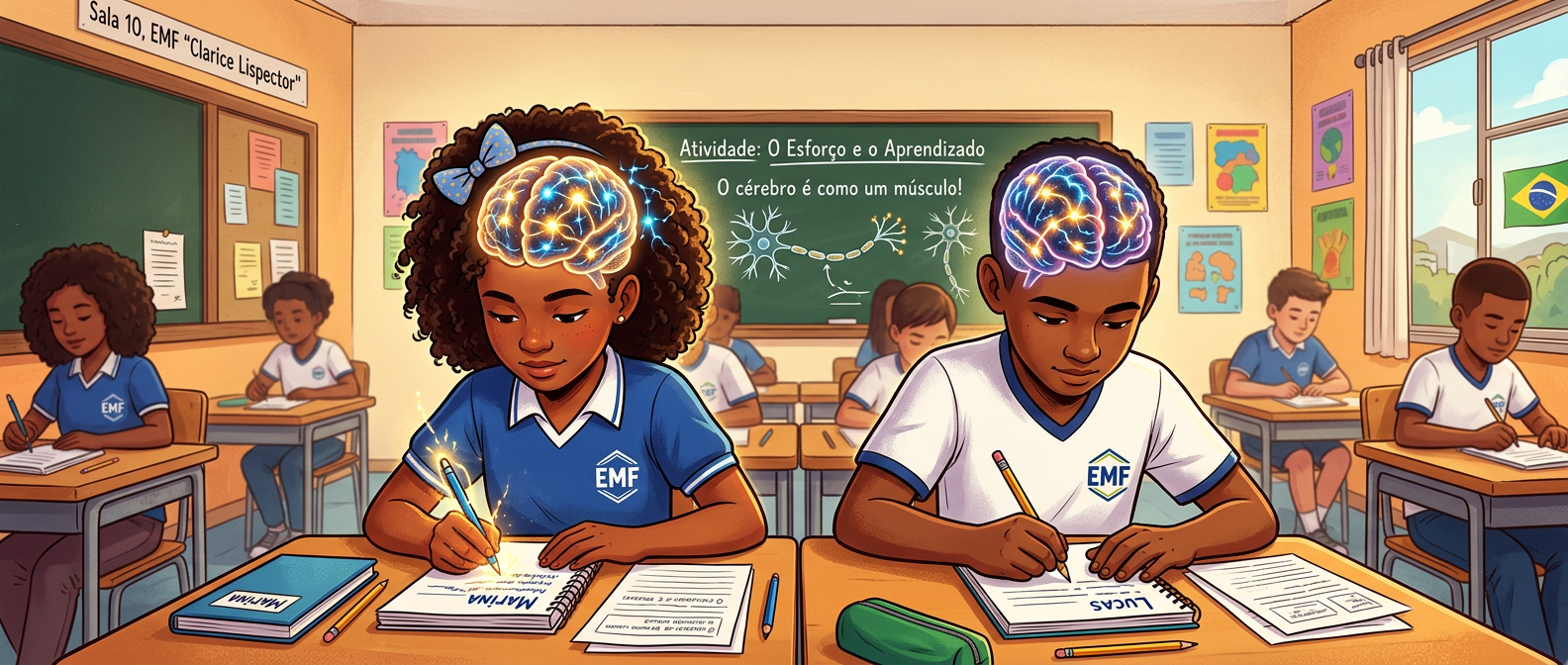
The Kosmyna cognitive offloading research showed that while there were benefits to personalized and tailored content in the LLM group, there appeared to be far more negative outcomes than positive. First and foremost, the researchers identified “diminished critical thinking capacity,” “decreased deep analytical thinking,” and possible “cognitive atrophy” due to reduced use of established neural networks. This suggests that without “using it” the students “lost it.”
Lack of stimulation of key neural networks due to offloading tasks to the LLM reduced participants’ long-term abilities to rely on those networks in the future. Second, and equally alarming was the “diminished prospects for independent problem solving,” as students became accustomed to ChatGPT offering a single, right answer, rather than allowing learners to struggle with a question and doubt premises as they explored possible angles. There appeared to be no place for “lateral thinking and independent judgement” when using ChatGPT. This contrasted with the brain-only group who had to review past memories and information, creatively combine old and new concepts, entertain multiple possible approaches, rephrase and reframe ideas and search for appropriate vocabulary and formatting to construct coherent arguments, resulting in more complex thinking.
There appeared to be no place for “lateral thinking and independent judgement” when using ChatGPT.
On the other hand, Yin and colleagues’ work showed that students can receive vitally-needed feedback, and even encouragement, as well as metacognitive stimulation through chatbots. That is, humans did not need to mediate this vital step in learning and chatbots could serve as motivators. As it is nearly impossible for all teachers to have the time to personalize feedback for all learners, feedback chatbots could potentially free up teacher time, keep students motivated with emotionally engaging comments, and personalize learning experiences, say the authors. Such an addition to a teacher’s toolbox of options makes larger classrooms more manageable and can enhance the motivation of students to persist through learning struggles.
Four Lessons
While the balance of positive to negative outcomes with GenAI remains debatable, it is clear that at least four ideas have surfaced as meaningful contributions to the learning sciences thanks to these articles.
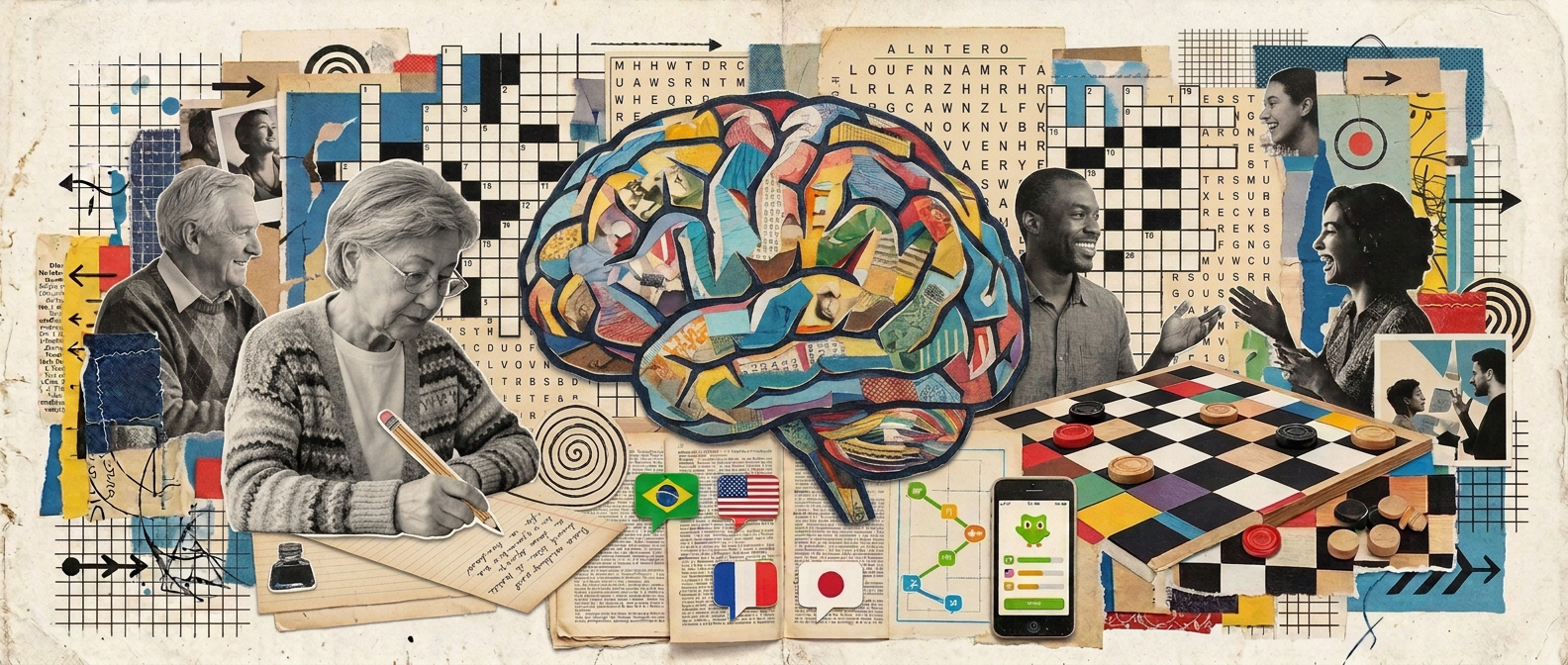
First, Kosmyna and colleagues’ work confirms that the brain adapts to what it does most. Without use, core neural networks will go unrehearsed. Second, “use it or lose it” remains true. If those networks go unrehearsed, they will possibly atrophy and no longer be available when needed. Third, this experiment combined with other new evidence about the neuroscience of writing (e.g., Tokuhama-Espinosa et al., 2024) show that writing is thinking and thinking is writing. Writing improves thinking, and thinking improves writing, precisely because the mental struggle to do so enhances neural networks for complex understanding. Fourth, Yin and colleagues’ work suggests that use of chatbots to offer feedback to students, especially those who would go without any feedback at all, may be a helpful tool to teachers in classroom settings as well as independent learners who could benefit from motivational nudging, or from metacognitive challenges.
Kosmyna and colleagues’ work confirms that the brain adapts to what it does most. Without use, core neural networks will go unrehearsed.
The newness of the AI and Education debate means there are no long- term studies in this area, however, and the research mentioned here consists of small samples. Just how and whether Kosmyna and colleagues’ findings about cognitive offloading merge, overlap or negate Yin and colleagues’ work on affective and metacognitive feedback using bots is still virgin territory for research.
The Future?
It is true that ChatGPT can write for humans and often do so much better than most when prompted well. It is also true that many people suffer when it comes to writing and feel that their efforts are not worth the outcome, and that chatbots may be useful in keeping students motivated to push through the hard spots of writing.
These articles have shown, however, that the struggle to learn is what keeps the neural networks in shape, and allows deeper learning to be built on top of foundational networks: no pain, no gain at least as far as learning in the brain is concerned. If critical thinking, deeper learning, lateral thinking and independent judgement are desired, and if enhanced quality and quantity of feedback play a role in that process, then teaching writing the old-fashioned way without reliance on AI but complementing it with feedback from chatbots, may be the key to improved education in the age of AI.