Raquel Freitag Professor at the Department of Vernacular Letters of the Federal University of Sergipe (UFS)
Researcher at the Group of Studies in Language, Interaction and Society (GELINS)
Member of the CpE Network and the Editorial Committee of YVIRÁ
The document does not hide the problems we already have, reminding us of the inequalities that already exist in Brazilian schools and that AI can exacerbate instead of solving.
A simple and powerful idea is to start grammar class as an exercise in “unplugged AI.” Reflective work with syntactic analysis, morphology, rules, and exceptions allows training the type of logical and structural thinking that underlies algorithms.
Raquel Freitag Professor at the Department of Vernacular Letters of the Federal University of Sergipe (UFS) / Researcher at the Group of Studies in Language, Interaction and Society (GELINS) / Member of the CpE Network and the Editorial Committee of Yvirá
AUGUST/SEPTEMBER 2026 | n.º 8 | Brazilian Government’s guiding document warns of problems and biases in the use of artificial intelligence in schools and places teachers at the center of decisions on the subject IMAGES TAKEN FROM THE DOCUMENT “ARTIFICIAL INTELLIGENCE IN BASIC EDUCATION” · MEC
You’ve probably heard that artificial intelligence will change everything in education. Perhaps you’ve also felt that mixture of curiosity and weariness regarding the subject: yet another novelty, another acronym, another demand. The Brazilian Ministry of Education has just published Artificial Intelligence in Basic Education – Guiding document on curricular paths and ethical practices for the use of AI in schools. The document begins by separating two things that are often confused: teaching with AI and teaching about AI. The first is using artificial intelligence tools to support daily classroom activities. The second, more profound, is helping our students understand how these AI systems work, where they go wrong, and why these matters. It is this second question that is relevant to all areas of the curriculum. Therefore, the document needs to be appropriated by each area of knowledge, based on its own knowledge and practices.
Here I extend an invitation for appropriation directed to colleagues in Portuguese Language.
The document does not hide the problems we already have, reminding us of the inequalities that already exist in Brazilian schools and that AI can exacerbate instead of solving. It also warns of the profusion of norms and documents on the subject, in Brazil and around the world, which makes it quite difficult to know where to begin. Recognizing these risks and problems is the first step in not treating AI as a magic solution, but rather as a topic that needs to be carefully addressed in the curriculum of each subject.
The document does not hide the problems we already have, reminding us of the inequalities that already exist in Brazilian schools and that AI can exacerbate instead of solving.
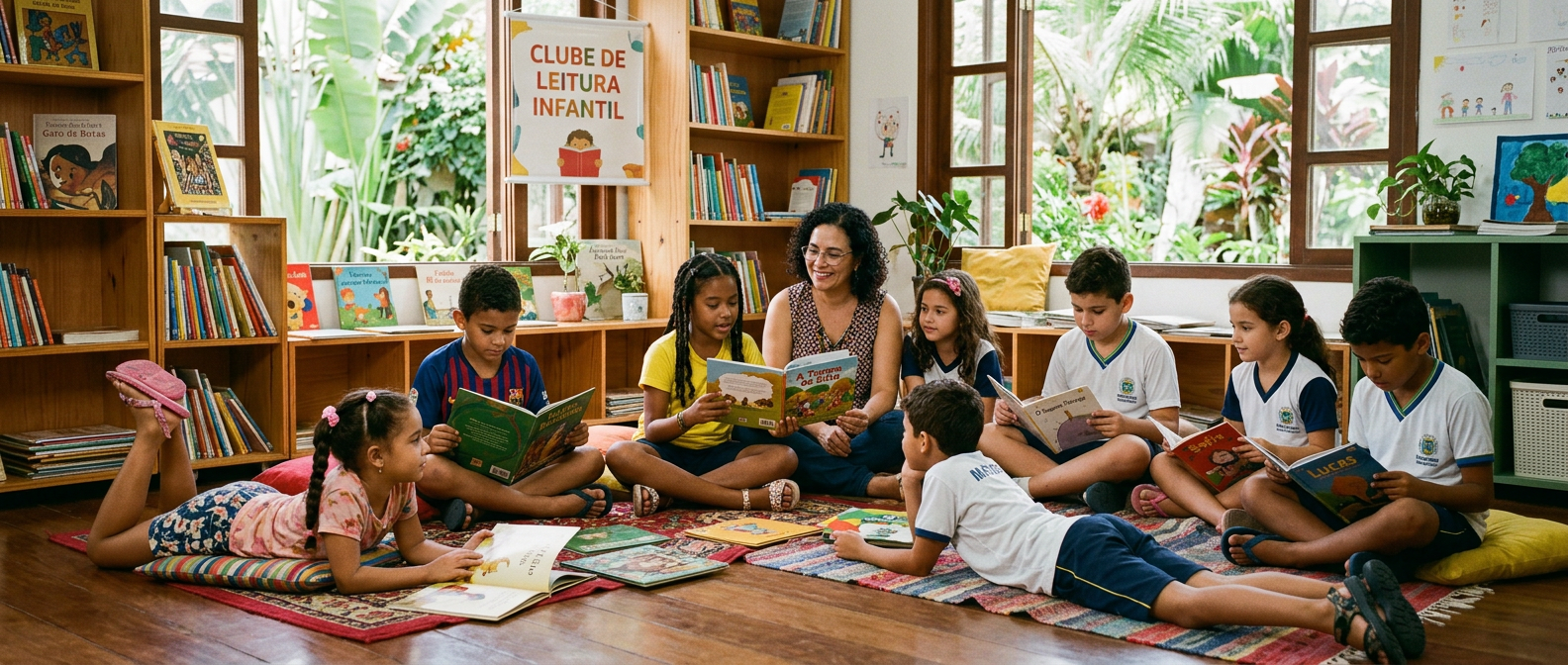
The Portuguese Language area plays a central role: we cannot expect our students to think critically, express themselves creatively, or act responsibly if they are not, first and foremost, fluent readers. All the literacies that the school needs to develop because of AI (digital, media, and computational literacy) depend on a solid foundation in reading.
The document also warns about the biases embedded in AI systems that circulate in our daily lives: racial, gender, and language prejudices. Those who work with the Portuguese Language know very well what this is about in practice. These are the less prestigious linguistic varieties, regional dialects, and ways of writing that the school has sometimes treated as “wrong” and that AI, trained with biased data, tends to repeat. Discussing this in the classroom is teaching about AI based on what we already know how to teach better than anyone else.
‘Unplugged AI’
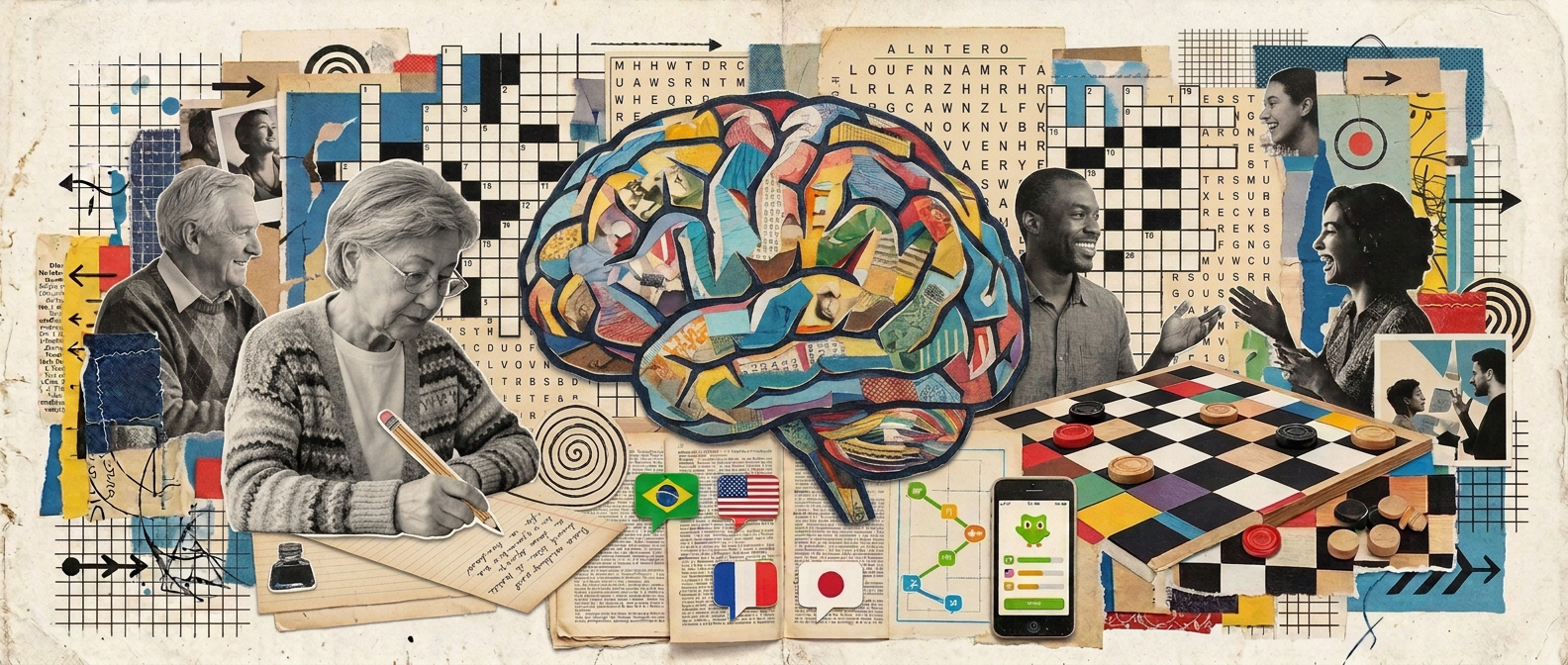
Furthermore, a simple and powerful idea is to start grammar class as an exercise in “unplugged AI.” Reflective work with syntactic analysis, morphology, rules, and exceptions allows training the type of logical and structural thinking that underlies algorithms. In this sense, grammar class has always been a lesson on how the language system works. The work of the Grammar Library, for example, is an excellent opportunity to bring the algorithmic manipulation of language syntax into classroom practice.
A simple and powerful idea is to start grammar class as an exercise in “unplugged AI.” Reflective work with syntactic analysis, morphology, rules, and exceptions allows training the type of logical and structural thinking that underlies algorithms.
The document ends with a call to action: the integration of AI in schools will only work if we are at the center of decisions and not just executing guidelines from outside. This requires each area to appropriate the text and discover its own contribution, instead of waiting for a ready-made manual. There is no such thing as an “AI teacher.” What exists – and the document makes this very clear – is AI entering each discipline. Therefore, it is worth reading the entire document, but it is even more worthwhile to read it through the lens of your own field of work, your discipline.
If you are in the field of Portuguese Language, this is a good time to remember that reading, grammar, analysis, and reflection on the language are already quietly doing the work that everyone now calls “AI literacy.”

 BOOK, SERIES, MOVIE REVIEWS